
Call us now :08045804181
 Send Inquiry
 Send Inquiry
HATU (Hexafluorophosphate Azabenzotriazole Tetramethyl Uronium)
MOQ : 100 Liters
HATU (Hexafluorophosphate Azabenzotriazole Tetramethyl Uronium) Specification
- Molecular Formula
- C10H15F6N6OP
- Shelf Life
- 2 Years
- Physical Form
- Powder
- Melting Point
- 160-165C
- Properties
- Highly efficient coupling reagent for peptide synthesis
- Solubility
- Soluble in DMF, DMSO, acetonitrile
- CAS No
- 148893-10-1
- Application
- Peptide synthesis, chemical research
- Appearance
- White to off-white crystalline powder
- Product Type
- Pharmaceutical Intermediate / Reagent
- Purity
- 99%
- Smell
- Odorless
- Ingredients
- Hexafluorophosphate Azabenzotriazole Tetramethyl Uronium
- Molecular Weight
- 380.23 g/mol
- Taste
- Odorless
- Ph Level
- Neutral
- Usage
- Used as a peptide coupling reagent
- Grade
- Analytical / Laboratory
- Storage
- Store in cool, dry place tightly closed
- Shape
- Crystalline
- Poisonous
- Non-poisonous
- HS Code
- 29349900
- Structural Formula
- See image: https://cpimg.tistatic.com/9268580/s/4/HATU-Hexafluorophosphate-Azabenzotriazole-Tetramethyl-Uronium-.jpg
- Sensitivity
- Moisture sensitive
- Hazard Statement
- Not classified as hazardous material under GHS
- Handling Precautions
- Avoid contact with skin and eyes, use in well ventilated area
- Packaging
- 25g, 100g, 500g bottle
- Transport Information
- Non-dangerous goods
- Synonyms
- O-(7-Azabenzotriazol-1-yl)-N,N,N',N'-tetramethyluronium hexafluorophosphate
- Formulation
- Pure, not blended
- Stability
- Stable under recommended storage conditions
HATU (Hexafluorophosphate Azabenzotriazole Tetramethyl Uronium) Trade Information
- Minimum Order Quantity
- 100 Liters
- Packaging Details
- hdpe tin
- Main Domestic Market
- South India
About HATU (Hexafluorophosphate Azabenzotriazole Tetramethyl Uronium)
Molecular Weight:380.23
CAS Number:148893-10-1
Synonym(s):
1-[Bis(dimethylamino)methylene]-1H-1,2,3-triazolo[4,5-b]pyridinium 3-oxid hexafluorophosphate, N-[(Dimethylamino)-1H-1,2,3-triazolo-[4,5-b]pyridin-1-ylmethylene]-N-methylmethanaminium hexafluorophosphate N-oxide
Empirical Formula (Hill Notation):
C10H15F6N6OP
Highly Efficient Peptide Coupling Reagent
HATU stands out as a top-tier reagent for peptide synthesis, providing rapid and reliable coupling with exceptional yields. Its efficiency minimizes side reactions during amide bond formation, which is essential for producing high-purity peptides in research and analytical labs.
Safe and Convenient Usage
Despite its robust coupling properties, HATU is not classified as hazardous under GHS and does not pose significant transport or handling risks. For professional use, standard safety precautions such as working in well-ventilated areas and avoiding skin or eye contact are recommended.
Stable and Flexible Packaging Options
Available in 25g, 100g, and 500g bottles, HATU is stable when stored tightly sealed in a cool, dry environment. Its two-year shelf life ensures flexibility for laboratories with varying or long-term project requirements, maintaining its high performance throughout its storage period.
FAQ's of HATU (Hexafluorophosphate Azabenzotriazole Tetramethyl Uronium):
Q: How should HATU be handled during laboratory procedures?
A: HATU should be handled in a well-ventilated area, and direct contact with the skin and eyes should be avoided. Since it is moisture sensitive, ensure the bottle is tightly closed when not in use and use personal protective equipment as appropriate.Q: What is the primary use of HATU in research applications?
A: HATU is primarily used as a peptide coupling reagent for efficient amide bond formation during peptide synthesis. Its ability to deliver high yields with minimal side reactions makes it highly valuable in chemical and analytical research.Q: When should HATU be stored to preserve its efficacy?
A: HATU should be stored in a cool, dry place with the container tightly closed. Proper storage conditions ensure that its shelf life extends up to two years, maintaining its coupling performance throughout this period.Q: Where can HATU be purchased for laboratory use in India?
A: HATU can be sourced from authorized distributors, manufacturers, suppliers, and traders across India who specialize in laboratory-grade reagents and chemicals. Ensure you select a reputable supplier for genuine, high-purity material.Q: What process is followed when using HATU for peptide synthesis?
A: Typically, HATU is dissolved in solvents like DMF, DMSO, or acetonitrile and combined with the appropriate amino acid substrates under controlled conditions. It facilitates efficient coupling, resulting in rapid amide bond formation with minimal by-products.Q: What are the benefits of choosing HATU over other coupling reagents?
A: HATU offers high coupling efficiency, minimal side reactions, and is less hazardous in terms of transport and storage. Its ease of handling and power make it an ideal choice for both routine and high-precision peptide synthesis projects.
Tell us about your requirement

Price:
Quantity
Select Unit
- 50
- 100
- 200
- 250
- 500
- 1000+
Additional detail
Mobile number
Email

More Products in Industrial Chemicals Category
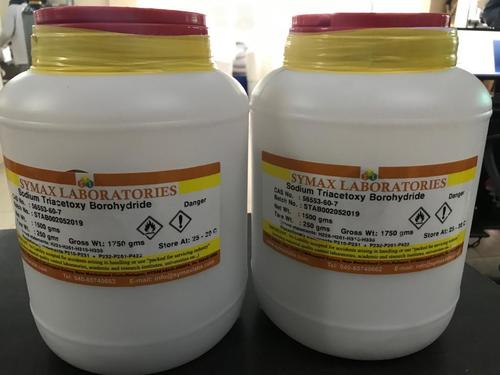
Sodium Tri-Acetoxy Borohydride Chemical
Price 4000 INR
Minimum Order Quantity : 10
Physical Form : Powder
Purity : >97%
Grade : Laboratory Grade / Industrial Grade
Molecular Weight : 211.95 g/mol
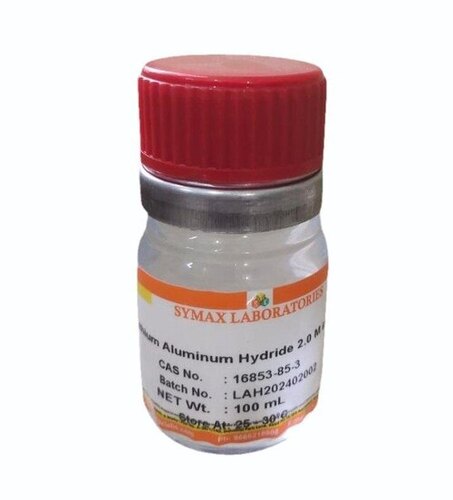
Lithium Aluminum Hydride Solution 2.0 M in THF
Price 20000 INR / Liter
Minimum Order Quantity : 10 Liters
Physical Form : Liquid
Purity : 2.0 M in THF
Grade : laboratory
Molecular Weight : 37.95
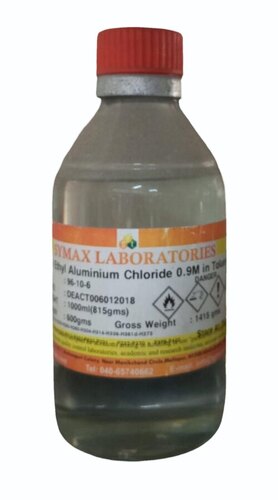
Diethylaluminium Chloride 0.9M
Price 5000 INR / Liter
Minimum Order Quantity : 100 Liters
Physical Form : Liquid
Purity : 0.9M in TOLUNE
Grade : chemical
Molecular Weight : 120.56 Grams (g)
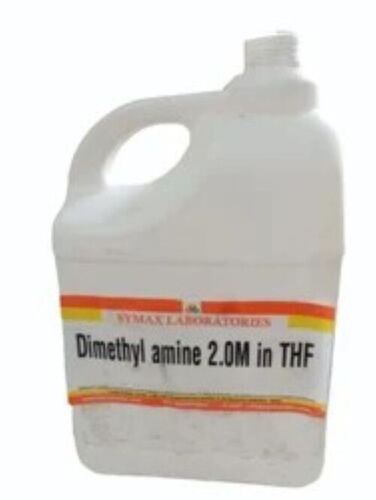
Dimethylamine Solution 2.0 M in THF
Minimum Order Quantity : 100 Liters
Physical Form : Liquid
Purity : 2.0 M in THF
Grade : chemical
Molecular Weight : 45.08

 Send Inquiry
Our Products

Plot No. A-28/1/14D, Industrial Park Lane, IDA Nacharam,Hyderabad - 500076, Telangana, India

Mr R C MURTHY
(Managing Partner)
Mobile :08045804181
 Send Inquiry
 Send SMS
Developed and Managed by Infocom Network Private Limited.
