
Call us now :08045804181
 Send Inquiry
 Send Inquiry
N Butyl Lithium
Price 2500 INR/ Liter
MOQ : 10 Liters
N Butyl Lithium Specification
- Melting Point
- -130°C (approx., depends on concentration)
- Molecular Formula
- C4H9Li
- Ingredients
- n-Butyl Lithium, hydrocarbon solvent (usually Hexane or Heptane)
- Density
- 0.68 Gram per cubic centimeter(g/cm3)
- Molecular Weight
- 64.06 g/mol
- Shelf Life
- Two years in unopened original packaging, if stored properly
- CAS No
- 109-72-8
- Usage
- Organometallic laboratory synthesis, pharmaceutical intermediates, specialty chemicals manufacturing
- Appearance
- Colorless to yellowish clear liquid
- Properties
- Highly reactive organolithium reagent; pyrophoric in air; strong nucleophile; reacts violently with water.
- Ph Level
- Strongly basic (not measurable in traditional sense)
- Storage
- Inert atmosphere (nitrogen/argon), dry, tightly sealed container, away from heat and moisture
- HS Code
- 2931 90 00
- Product Type
- Chemical Compound
- Shape
- Liquid in container
- Solubility
- Soluble in organic solvents (hexane, ether); reacts with water
- Poisonous
- YES
- Smell
- Solvent-like
- Application
- Used as strong base and nucleophile in organic synthesis, polymerization initiator, deprotonation and metalation reactions
- Grade
- Industrial Grade
- EINECS No
- 203-699-2
- Purity
- 1.6 M in hexane (typical), other concentrations available
- Structural Formula
- Butyl group bonded to Lithium (CH3CH2CH2CH2Li)
- Physical Form
- Liquid
- Regulatory Information
- Complies with relevant Indian chemical regulations (specific details depend on application)
- Disposal Method
- Neutralize cautiously and dispose in accordance with local, state, and federal regulations
- Stability
- Stable under recommended storage conditions (inert atmosphere, dry, sealed); decomposes with air/moisture contact
- Packaging
- Sealed bottles, cylinders, or drums under inert gas (size varies depending on supplier)
- Handling Precautions
- Handle under inert gas using appropriate PPE (gloves, goggles, lab coat); avoid contact with water and air
- Flash Point
- Highly flammable, pyrophoric-can ignite spontaneously in air
- Manufacturing Process
- Reaction of butyl chloride with lithium metal in hydrocarbon solvent
- Boiling Point
- Varies with concentration and solvent; n-Butyl lithium decomposes before boiling point can be reached in open air
- Auto Ignition Temperature
- >23C (pyrophoric in air)
- Hazard Class
- Class 4.2 (Substances liable to spontaneous combustion), UN No. 3394
N Butyl Lithium Trade Information
- Minimum Order Quantity
- 10 Liters
- Supply Ability
- 500 Liters Per Day
- Delivery Time
- 4 Days
About N Butyl Lithium
Product: N-Butyl Lithium 2.5M in Hexane / 1.6M in Hexane
Cas.No:109-72-8
Molecular Weight: 64.06
Density 0.693 g/mL at 25 deg C
Concentration 2.5 M in hexanes, Cyclo hexane,
Analysis: sec-Butanol Titration
Essential Reactivity for Precision Synthesis
N-Butyl Lithiums profound reactivity enables complex deprotonation, metalation, and polymerization processes that are crucial in advanced chemical manufacturing. Its strong nucleophilicity and basicity make it a preferred reagent for laboratory and industrial settings, helping produce high-value pharmaceutical intermediates and specialty chemicals with exceptional selectivity and efficiency.
Safe Handling and Storage
Due to its pyrophoric nature, n-butyl lithium is handled and stored exclusively under an inert atmosphere, typically nitrogen or argon. Proper personal protective equipmentgloves, goggles, lab coatsare mandatory to prevent accidental ignition or hazardous reactions. The liquid is packed in sealed, inert gas-filled bottles or drums, and must be kept away from moisture and air to maintain stability and safety.
Versatile Applications Across Industries
N-Butyl Lithium plays an indispensable role in organic synthesis, from academic research to industrial-scale production. Its robust performance as a strong base and initiator supports the development of pharmaceuticals, advanced polymers, and specialty compounds, ensuring efficiency and reliability in processes that demand precise and controlled reactivity.
FAQs of N Butyl Lithium:
Q: How should n-butyl lithium be safely handled and stored?
A: N-Butyl Lithium must always be handled in a dry, inert atmosphere (such as nitrogen or argon) to avoid dangerous reactions with air or moisture. It should be stored tightly sealed in its original packaging, away from any sources of heat, moisture, or open flame. Always use proper PPE, including gloves, eye protection, and lab coats.Q: What is the typical usage of n-butyl lithium in laboratories and industry?
A: N-Butyl Lithium is primarily used as a strong base and nucleophile in organic synthesis, facilitating deprotonation, metalation, and polymerization reactions. It is essential for the preparation of pharmaceutical intermediates, specialty chemicals, and in organometallic laboratory research.Q: When is n-butyl lithium most beneficial in chemical processes?
A: This reagent is particularly valuable when high selectivity and reactivity are required, such as during the initiation of polymerizations, synthesis of organometallic compounds, or precise deprotonation of sensitive substrates. Its effectiveness greatly benefits laboratories and industries focusing on advanced or custom chemical synthesis.Q: Where does n-butyl lithium find its main applications?
A: The compound is widely used in research laboratories, pharmaceutical manufacturing, specialty chemical production, and polymer industries. It is distributed and supplied across India and often handled by trained chemists or technicians in controlled environments.Q: What is the process for manufacturing n-butyl lithium?
A: N-butyl lithium is manufactured by reacting butyl chloride with lithium metal in a hydrocarbon solvent, such as hexane or heptane. This process is carefully controlled under anhydrous, inert conditions to prevent side reactions and ensure product purity.Q: How is n-butyl lithium disposed of safely after use?
A: Disposal requires neutralization by cautious and controlled methods, strictly following local, state, and federal hazardous waste regulations. It should never be poured down the drain or exposed to air or water, and disposal is best conducted by qualified personnel in a licensed facility.
Tell us about your requirement

Price:
Quantity
Select Unit
- 50
- 100
- 200
- 250
- 500
- 1000+
Additional detail
Mobile number
Email

More Products in Industrial Chemicals Category
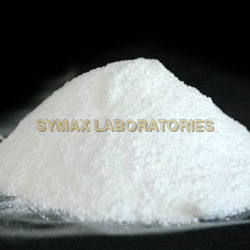
Sodium Triacetoxyborohydride
Price 20 INR / Kilograms
Minimum Order Quantity : 1000 Grams, ,
CAS No : 56553607
Physical Form : Powder
Grade : Technical Grade
Purity : >97%
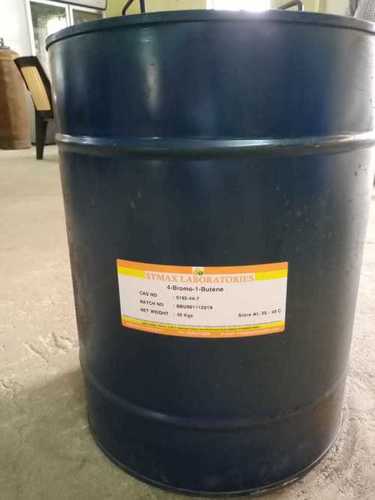
4-Bromo-1Butene Cas.No. 5162-44-7
Price 1000 INR
Minimum Order Quantity : 25
CAS No : 5162447
Physical Form : Liquid
Grade : Industrial Grade
Purity : 98%
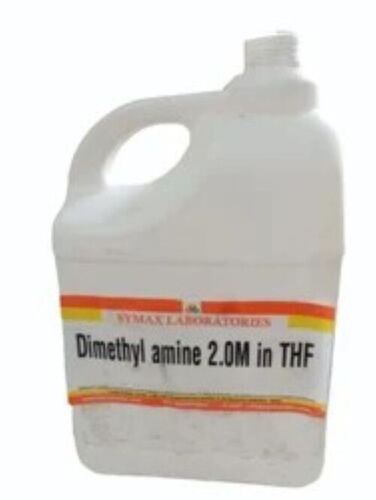
Dimethylamine Solution 2.0 M in THF
Minimum Order Quantity : 100 Liters
CAS No : 124403
Physical Form : Liquid
Grade : chemical
Purity : 2.0 M in THF
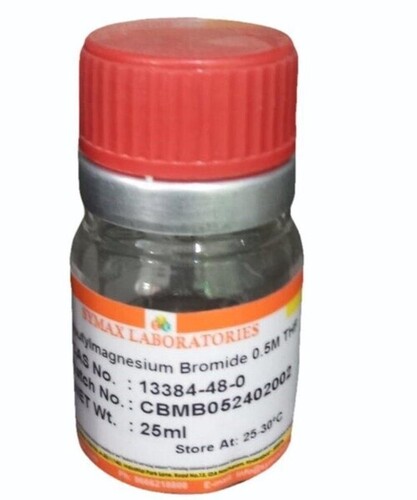
Cyclobutylmagnesium Bromide 0.5M in THF
Minimum Order Quantity : 100 Liters
CAS No : 13384480
Physical Form : Liquid
Grade : chemical
Purity : 0.5M in THF

 Send Inquiry
Our Products

Plot No. A-28/1/14D, Industrial Park Lane, IDA Nacharam,Hyderabad - 500076, Telangana, India

Mr R C MURTHY
(Managing Partner)
Mobile :08045804181
 Send Inquiry
 Send SMS
Developed and Managed by Infocom Network Private Limited.
