
Call us now :08045804181
 Send Inquiry
 Send Inquiry
Isopropylmagnesium chloride solution 2.0 M in THF
MOQ : 100 Liters
Isopropylmagnesium chloride solution 2.0 M in THF Specification
- Melting Point
- Not applicable (liquid solution)
- HS Code
- 29310099
- CAS No
- 920-39-8
- Refractive Rate
- n20/D 1.410 1.416
- Solubility
- Soluble in tetrahydrofuran (THF), reacts with water
- Physical Form
- Liquid Solution
- Molecular Formula
- C3H7ClMg
- Molecular Weight
- 114.85 g/mol
- Shape
- N/A (liquid form)
- Properties
- Highly reactive Grignard reagent, moisture sensitive, flammable
- Ingredients
- Isopropylmagnesium chloride, tetrahydrofuran (THF)
- Application
- Used as a Grignard reagent in organic synthesis
- Purity
- 2.0 M solution in THF
- Product Type
- Organometallic Compound
- Smell
- Characteristic ether-like odor
- Appearance
- Colorless to pale yellow liquid
- Poisonous
- Yes (toxic, harmful by inhalation, ingestion, or skin absorption)
- Grade
- Reagent Grade
- Structural Formula
- (CH3)2CHMgCl
- Density
- 0.911 Gram per cubic centimeter(g/cm3)
- Storage
- Store under inert atmosphere (argon or nitrogen), keep tightly closed in cool, dry place away from moisture and air
- Usage
- Laboratory chemical, synthesis of pharmaceuticals and organic intermediates
- Shelf Life
- 12 months (under proper storage conditions)
- EINECS No
- 213-051-9
- Stability
- Stable under recommended storage conditions, decomposes on exposure to moisture or air
- Handling Precautions
- Use only in fume hood, wear protective equipment
- Concentration
- 2.0 mol/L in THF
- Packaging
- Airtight sealed bottles or ampoules under inert atmosphere
- Incompatibilities
- Strong oxidizers, water, acids, air
- Supplier
- Tianjin Zhongan Chemical Co. Ltd.
- Boiling Point of Solvent (THF)
- 66 C
- UN Number
- UN 2924
- Flash Point
- -20 C (THF)
Isopropylmagnesium chloride solution 2.0 M in THF Trade Information
- Minimum Order Quantity
- 100 Liters
- Packaging Details
- bottles
About Isopropylmagnesium chloride solution 2.0 M in THF
Synonym(s):Chloro 1-methylethyl magnesium, Chloroisopropylmagnesium, Isopropylmagnesium chloride, iPrMgClLinear Formula:(CH3)2CHMgCl
CAS Number:1068-55-9
Molecular Weight:102.85
Key Features
This isopropylmagnesium chloride solution is offered as a 2.0 mol/L concentration in THF, making it ideal for laboratory synthesis requiring precision. Its moisture-sensitive and highly flammable nature necessitates strict adherence to safety protocols, ensuring effective and reliable chemical reactions. The sealed packaging protects against air and moisture contamination during storage and transport.
Safe Handling and Storage
Use this product exclusively in a fume hood, wearing appropriate protective equipment. The solution should always remain in airtight containers under inert gas, such as argon or nitrogen, and be stored in a cool, dry location. Moisture or air exposure causes rapid decomposition and loss of reactivity, so adherence to recommended storage procedures is essential.
Applications in Synthesis
As a Grignard reagent, this solution is crucial in forming carbon-carbon bonds. Its high reactivity allows chemists to efficiently synthesize complex molecules, intermediates, and pharmaceuticals. The reagent's consistency and purity contribute to reproducible results in demanding laboratory applications.
FAQ's of Isopropylmagnesium chloride solution 2.0 M in THF:
Q: How should Isopropylmagnesium chloride solution be handled and stored to maximize its shelf life?
A: This solution must be handled in a well-ventilated fume hood, wearing full protective equipment. Always keep the container airtight and store it under an inert atmosphere, such as argon or nitrogen, in a cool, dry place. Avoid exposure to moisture, air, and extreme temperatures to maintain stability for up to 12 months.Q: What are the main applications and benefits of using this Grignard reagent in synthesis?
A: Isopropylmagnesium chloride solution is primarily used to add isopropyl groups in organic chemical synthesis, particularly in the formation of carbon-carbon bonds. Its benefits include high reactivity, consistent results, and usefulness in pharmaceuticals and organic intermediate production.Q: When is it appropriate to use this product in laboratory settings?
A: This reagent is suitable when performing organic synthesis that requires forming isopropyl-containing compounds, especially for creating pharmaceuticals and specialized organic molecules. Use it where controlled Grignard reactions and high reagent purity are essential.Q: Where should this solution not be used or exposed?
A: Avoid using or opening the product outside of a chemical fume hood. It should never be exposed to air, moisture, strong oxidizers, acids, or used in incompatible environments without proper precautions, as these can lead to hazardous decomposition or diminished reactivity.Q: What precautions are necessary during the handling process of this compound?
A: Always wear eye protection, gloves, and lab clothing. Handle the solution only in a fume hood to avoid inhalation and exposure, and never allow skin contact. Ensure that all solvents and storage vessels are dry, and use tools and equipment compatible with Grignard reagents to prevent unwanted side reactions.Q: How does this product benefit laboratory synthesis compared to other Grignard reagents?
A: This reagent offers precise isopropyl transfer, high purity, and reliably controlled reactivity, making it preferable when sensitive, selective transformations are necessary. Its preparation in THF also improves solubility and handling compared to some alternatives, contributing to reproducible and high-yielding results.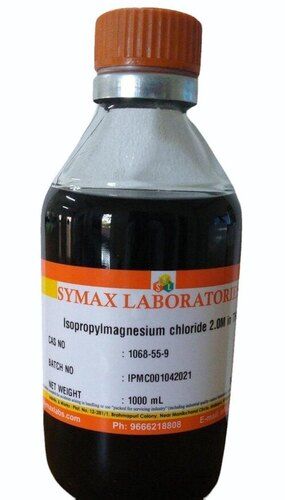
Tell us about your requirement

Price:
Quantity
Select Unit
- 50
- 100
- 200
- 250
- 500
- 1000+
Additional detail
Mobile number
Email

More Products in Industrial Chemicals Category
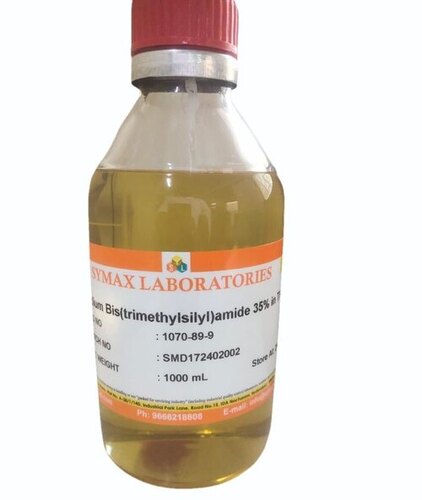
Sodium Bis(trimethylsilyl)amide Solution 35% in THF
Minimum Order Quantity : 100 Liters
Grade : Analytical / Laboratory Grade
Purity : ~35% (w/v) solution
Product Type : Chemical Reagent
CAS No : 1070899
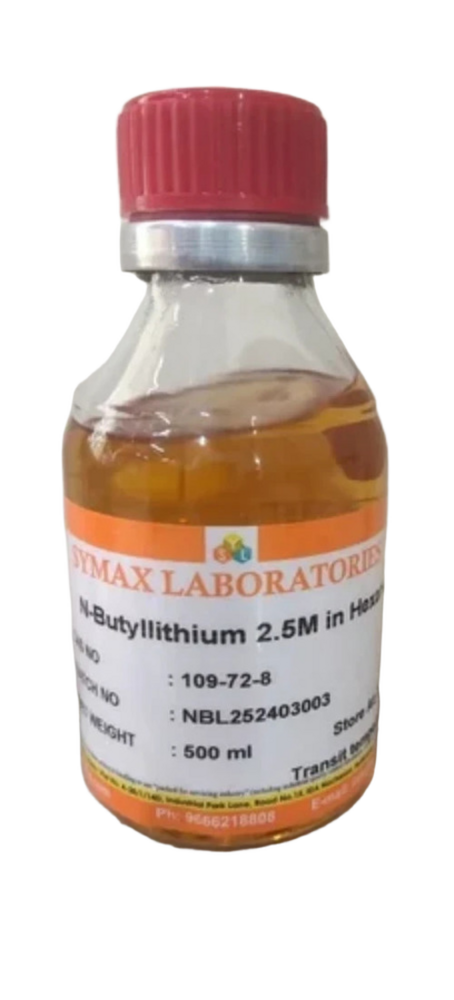
N-Butyl Lithium (NBL)
Price 2000 INR
Minimum Order Quantity : 10
Grade : Industrial
Purity : 1530% (in hydrocarbon)
Product Type : Alkyl Lithium Compound
CAS No : 109728
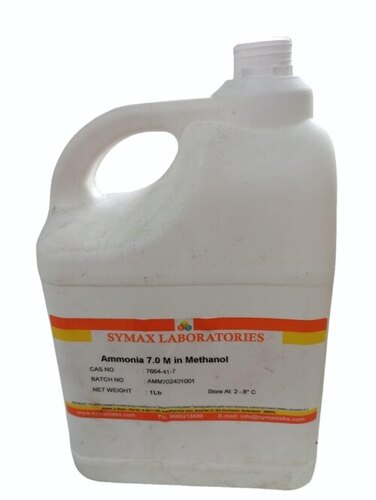
Ammonia Solution 7.0 M in Methanol
Price 1500 INR / Liter
Minimum Order Quantity : 100 Liters
Grade : chemical
Purity : 7 M in methanol
Product Type : liquid
CAS No : 7664417
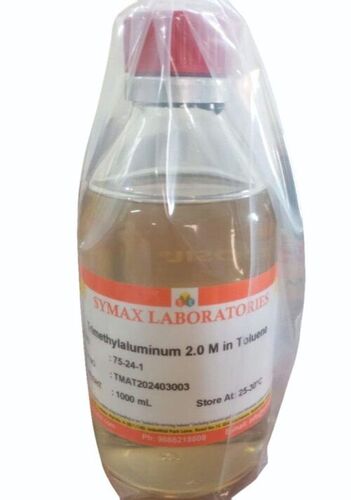
Trimethylaluminium Solution
Minimum Order Quantity : 100 Liters
Grade : chemical
Purity : 2.0 M in toluene
Product Type : liquid
CAS No : 75241

 Send Inquiry
Our Products

Plot No. A-28/1/14D, Industrial Park Lane, IDA Nacharam,Hyderabad - 500076, Telangana, India

Mr R C MURTHY
(Managing Partner)
Mobile :08045804181
 Send Inquiry
 Send SMS
Developed and Managed by Infocom Network Private Limited.
